War Crime

Why have you encouraged him to kill me, as he is trying to do this very day?” 

14 “But sir,” Ahimelech replied, “is anyone among all your servants as faithful as David, your son-in-law? Why he is the captain of your bodyguard and a highly honored member of your household! 15 This was certainly not the first time I had consulted God for him! May the king not accuse me and my family in this matter, for I knew nothing at all of any plot against you.” 

16 “You will surely die, Ahimelech, along with your entire family!” the king shouted. 17 And he ordered his bodyguards, “Kill these priests of the Lord, for they are allies and conspirators with David! They knew he was running away from me, but they didn’t tell me!” But Saul’s men refused to kill the Lord’s priests. 

18 Then the king said to Doeg, “You do it.” So, Doeg the Edomite turned on them and killed them that day, eighty-five priests in all, still wearing their priestly garments. 19 Then he went to Nob, the town of the priests, and killed the priests’ families—men and women, children and babies—and all the cattle, donkeys, sheep, and goats. 

20 Only Abiathar, one of the sons of Ahimelech, escaped and fled to David. 21 When he told David that Saul had killed the priests of the Lord, 22 David exclaimed, “I knew it! When I saw Doeg the Edomite there that day, I knew he was sure to tell Saul. Now I have caused the death of all your father’s family. 23 Stay here with me, and don’t be afraid. I will protect you with my own life, for the same person wants to kill us both.” 

1 Samuel 22:12-23, NLT 

The deeply paranoid king is desperate; he must capture David. Saul needs information and intelligence; at times like this he must rely on his network of spies. Most leaders depend on that. Especially bad ones. 

King Saul is trying hard to find David.

Saul’s consumed. He’s insane. When at last he gets a lead, he takes his army to the priestly city of Nob. Doeg the Edomite gives Saul the tip, he had seen David there, consulting with the Lord, and taking bread and a sword from Abimelech, the high priest. 

Simply based on Doeg’s singular witness, Saul will order the deaths of 85 priests and the entire town of Nob, a city populated with the Levitical priesthood and their families. When Saul orders the murder, his own men refused to carry it out. They simply refused, and so he must rely on the Edomite, Doeg. 

This passage is terrible and reveals all of Saul’s depraved brutality. 

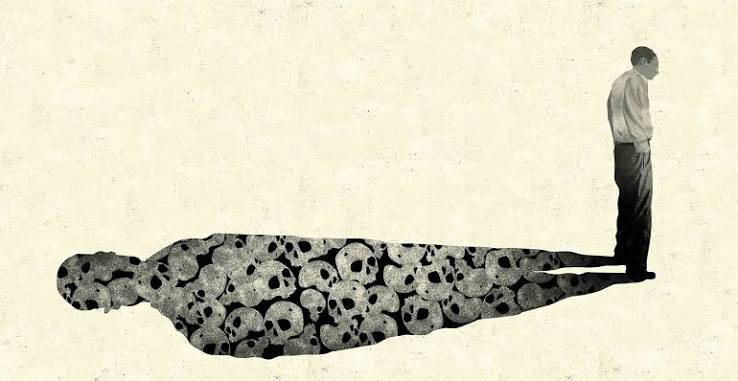
One by one, systematically Doeg murders each priest. The bodies keep stacking up. It’s a massacre. Doeg now begins to slaughter their families. And then to all the livestock, until the entire town is one bloody graveyard. 

I admit I don’t understand exactly why? 

But there is one priest who escapes. Just one man and he flees to David and carries the horrific news of the wholesale slaughter of Nob. Saul and Doeg have completely decimated the city to punish them for aiding David. 

And David remembers seeing Doeg there. He also has a moment of truth as he understands his own guilt in this massacre. I suspect he now understands Saul’s cruelty, and David learns a lesson he will never ever forget. 

EnduringWord.com

David Deceives the High Priest

1 Samuel 21:7-9, ESV 

Mark my words; Doeg the Edomite was an evil man. Evil men do very evil things. He is immortalized forever in the pages of 1 Samuel as terribly wicked. Doeg is not a Hebrew, and he is called a chief shepherd overseeing other shepherds, and he was in the service of King Saul. 

Was he a captive? Was he a traitor? And what about this phrase, “detained before the Lord?” I got curious so I looked up the word, “detained.” The Hebrew word is pretty broad and I didn’t get any real insight. It’s used 46x and has several meanings, but the general sense is “restrained, halted, or stopped.” Why? 

(If you want, you can jump ahead to 1 Sam. 22:19 to understand Doeg’s heart.) 

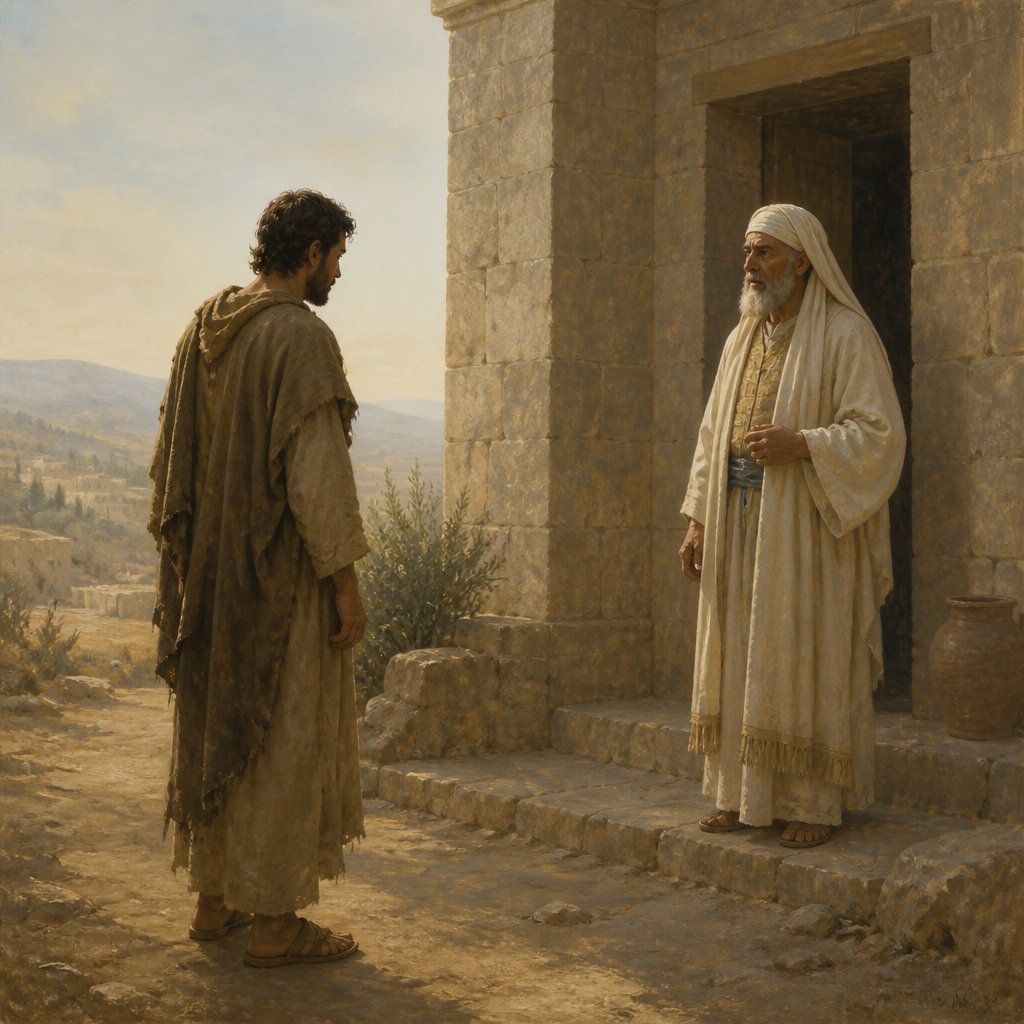
In vv. 7-8 the spotlight is turned back on David and Ahimelech. David continues the charade. His deception lies continue as he presses his need to the high priest of Israel. David takes the holy loaves of bread, but he wants more. He really needs a sword. 

Apparently, the sword that Goliath carried had been kept in Nob in safe keeping. For the priests it was special, maybe even holy. No matter, it was a memento of a glorious victory, but everything is different now. 

“It is painful to the last degree to see one whose faith towered to such a lofty height in the encounter with Goliath, coming down from that noble elevation, to find him resorting for self-protection to the lies and artifices of an impostor.” William Blaikie 

Did you catch that? An imposter. David had become a deceiver, a liar. What do we do with that ugly indictment? I guess I have more questions than answers. Just maybe, in the heat of the moment lying became permissible. 

In Psalm 34 David wrote, “Does anyone want to live a life that is long and prosperous?  Then keep your tongue from speaking evil and your lips from telling lies!” 

Wow, David. Are you sure about that? To be honest, I don’t want to malign with David. After all he was fleeing for his very life. Undoubtably there was a price on his head, and the bounty hunters would be out in force. David was scared out of his wits. 

You might say he was just being resourceful, and he didn’t want to implicate anyone else in his escape. Saul and his army were hunting him, and maybe David thought that the priests would be beyond Saul’s reach. Maybe they would have. 

Except for Doeg, the Edomite. 

Bread From the Table

1 Samuel 21:4-6, ESV 

From reading this passage, we see that David wants to stay one step ahead of Saul. He pretends he’s leading a group of men. This is not true. The reality is that he’s on the run trying to evade the king, and the soldiers. Arriving at the priestly city of Nob he is very hungry. David needs food to continue on. 

For some reason David flees to Nob, a town that has been given to the priests. It also is where the tabernacle was kept during the reign of Saul. That tabernacle was the precursor to the temple. 

I believe that David was drawn to this place because of that. It was a sanctuary. 

I also believe that Ahimelech knew nothing of the conflict between David and Saul. Not that it would change anything, but still David concocted a lie that he was under orders from Saul (v. 3). 

The high priest knew that David had been anointed by the prophet Samuel to be the future king. Perhaps that is why Ahimelech trembled when he first met David (v. 1). “Why has he come here?” 

David was tired, frightened, and hungry. He had made no provision for food, which explains the rapidity of his flight from Saul. David had left as fast as he could. David also knew that the tabernacle at least had bread.

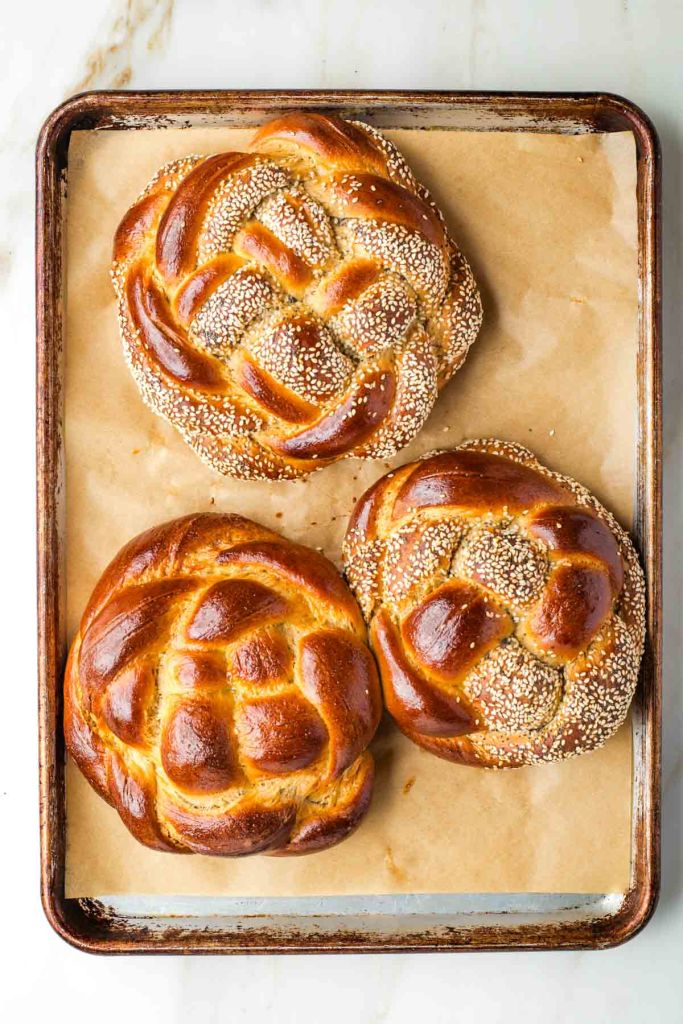
There were 12 loaves (representing the 12 tribes and God’s special covenant with them) of consecrated bread. These loaves were replaced daily. In Leviticus it made it clear that only the priests and their families could eat them.

Each morning, fresh hot bread would be set in the Lord’s presence. Perhaps this signifies God wants fresh fellowship from us every day. Believers will hunger for Him; He will give us “our daily bread.” What He offers us is always fresh, and Jesus knows exactly what we need.

“So the priest gave him holy bread; for there was no bread there but the showbread: In giving David the bread, Ahimelech broke with priestly custom but not with God’s word. He rightly understood that human need was more important than Levitical observance.” 

David Guzik 

But David’s presence would create awful consequences for the priests living in Nob. Terrible things will happen very shortly. 

We will see this in a future post.