The Encourager

1 Samuel 20:1-4, ESV 

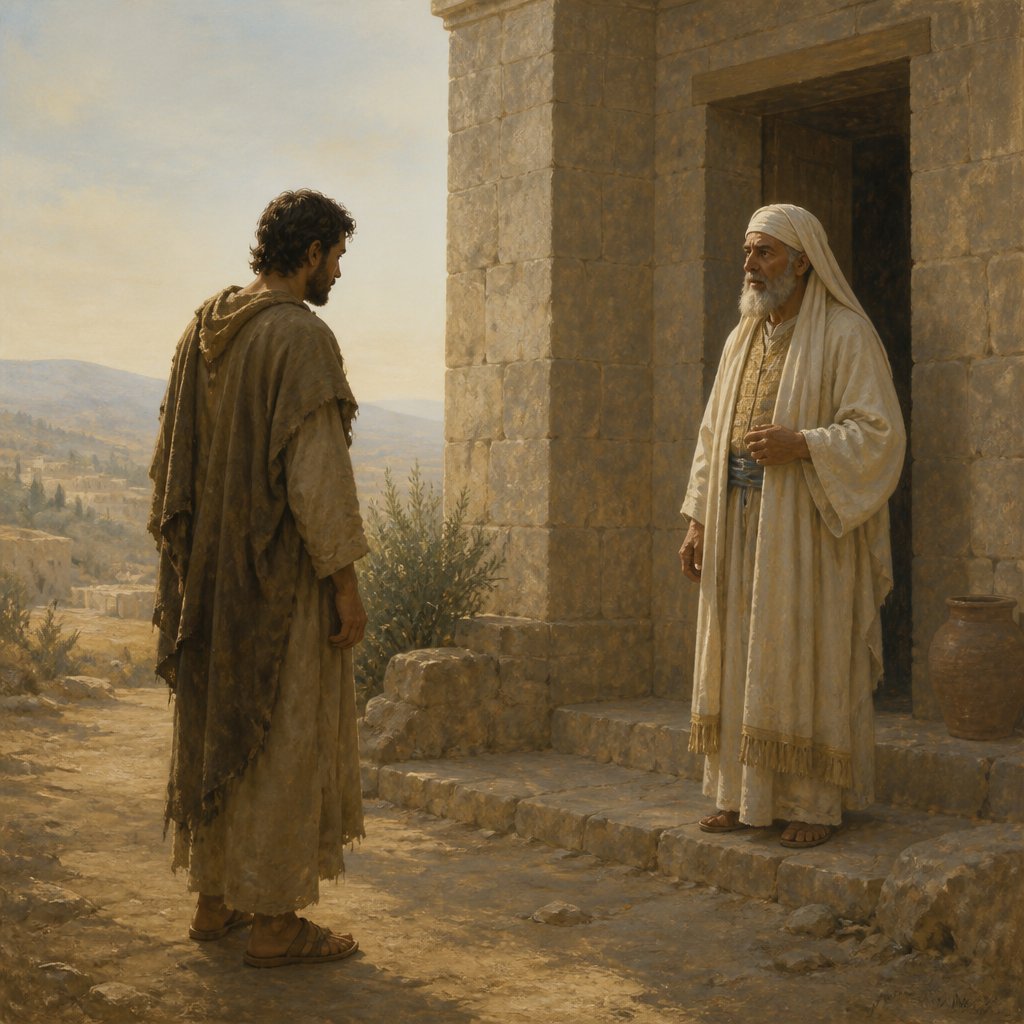
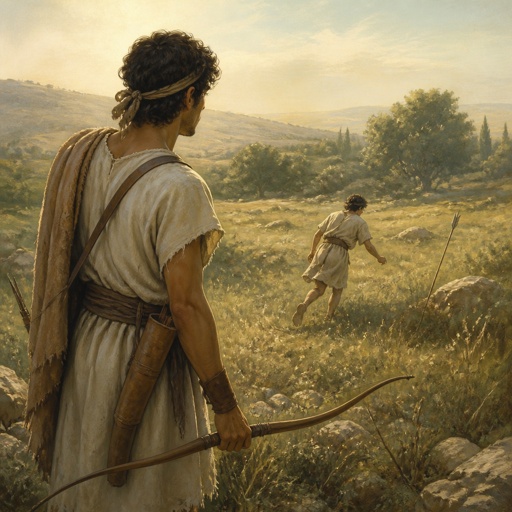
David leaves Naioth behind, as he realizes that Saul (and his soldiers) had been temporarily “disabled.” He knew that the threat to assassinate him had for the time being had been stalled, and yet David didn’t stay for the theatrics. He simply knew it was time for an escape. 

And yet David seems mystified, and he reaches out to Jonathan with 3 questions that trouble him. It seems David is loyal, but he simply doesn’t understand the intensions of Saul. In all three questions David asks “what.” He is mystified. 

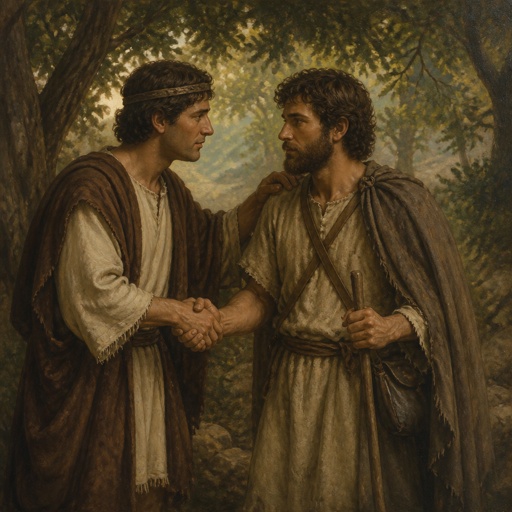
It takes the humility of Jonathan to attempt to ease David’s fear. 

Jonathan answers in an oblique way. He assures David that he can protect him with what he knows. Jonathan is aware of Saul’s treacherous plans and assures David of the strategies and plans that the enemy is concocting. He will do all that he can. 

It is here that we begin to understand that Saul is drawing near, and that David realizes that certain death has gotten very close. David understands how close he has come to being killed at the hand of Saul. “A step between me and death” is how David sees the plots of Saul. 

Again, Jonathan assures David of his commitment. Although he does not debate the claims of David, he simply assures him of his covenantal dedication. Jonathan encourages a discouraged man, and he speaks hope to the struggling David. 

This is what an encourager does. They bring comfort to the frustrated and weary. They stand in a remarkable place, and although they won’t deny the facts, they give strength to the weary. They declare all that God is to those who are overwhelmed and fearful. 

“He gives power to the weak and strength to the powerless.”  

Isa. 40:29, NLT 

This comfort usually comes through people—servants of God who do not debate but encourage. They have renounced their own agenda and now live for others. They embolden, spurring others to be faithful to their calling. 

Charles Spurgeon 

Influenced but Without Surrender

In an odd scene in the life of King Saul is recorded in 1 Samuel 19:18–24, where Saul, enraged, sends soldiers to capture David. Three groups are overpowered by the Holy Spirit, and each group begins prophesying instead of arresting David. Finally, a frustrated Saul himself goes to Ramah, and there he too is overcome by the Spirit: 

1 Samuel 19:18-24 

“Influence Without Surrender” is one of the better ways to explain this strange passage. Even after several readings, this seems to be the best interpretation. Saul (and three groups of soldiers) come under “the influence” of the Holy Spirit and are prevented from capturing David. 

God proactively intervenes in the life of His anointed one. 

David must have been in shock. God defends him in an astonishing way, but in a manner that amazed the onlookers. And David was learning what God was really like. When the Lord goes to battle, anything can happen. In His powerful sovereignty, God decides the weapons He will use. In Saul’s case, the prophetic works perfectly. 

Troop after troop is floored by the presence of a mighty God. Finally, Saul decides to intervene. Why isn’t David in custody? Saul intends to find out; when he steps into the prophet’s presence. When this happens, Saul falls under the very presence of God and encounters the Lord. 

And really, we must understand that Saul comes under the influence of God but refuses to surrender. Isn’t this the epitome of his life? He may understand, but Saul refuses to surrender and to yield and submit to the Lord God. 

That’s what God does to His rebellious and disobedient children. 

For rebellion is as the sin of witchcraft, and stubbornness is as iniquity and idolatry. Because thou hast rejected the word of the Lord, He hath also rejected thee from being king.

1 Samuel 15:23

Saul does this every time.

Climbing Out the Window

Engraving by Gustave Doré (1886)

1 Samuel 19:11-17 

Let’s consider the resourcefulness of Michal: 

Much of this passage deals with Michel, David’s first wife. She is clever, showing ingenuity in helping David escape. An explanation– When Saul realized that the Lord was with David and how much his daughter Michal loved him, 29 Saul became even more afraid of him, and he remained David’s enemy for the rest of his life. (18:28-29.) 

Her actions enabled David to escape. First, she warned him. Second, she gave him directions to leave their bed chamber. Third, put a facsimile of David in their bed to buy him more time to escape. They both knew that Saul’s troops were coming. 

Notice Saul’s distorted thinking; he considered her actions as a “betrayal.” He knew that David escaped due to her actions to gain David some time, 

Saul interrogated her himself; he strongly asserted that she helped David escape. She lied to protect herself–” “He threatened to kill me if I didn’t help him.” (v. 17.) Now this wasn’t true, but her own life was at stake. Whether or not the lie was necessary, it created enough latitude for her to escape any punishment. 

Her crafty wisdom would give David a chance to escape. 

One thing struck me reading the text. These troops were most likely man who had served under the direction of David against the Philistines. There is something false about them, a betrayal of what they knew as false orders to apprehend and to kill David. 

David would face these men again. Saul’s hatred and his attempted murder of David had just begun.  

Evil Carries a Spear

1 Samuel 19:8-10, NLT 

There are things in this passage that I don’t fully understand. I will try to share what little I do know. Let’s have a go at it. 

If I could, I would get out my X-Acto Knife and carefully cut out verse 9, I would do it. The very idea that the Lord would send “a harmful spirit” to come to Saul is hard to grasp. Perhaps we need to recognize that after his sin, sparing Agag in 1 Sam. 15:20, nothing good is ever spoken of Saul in scripture. 

Sin develops over time. Nothing is a mere trifle or insignificant. 

Saul’s sin metastasizes, and any real repentance becomes impossible. This is sobering. And scary. It’s no wonder we’re warned repeatedly to renounce our sin. At this point Saul comes under the direct influence of evil powers. His continued disobedience becomes his very character. 

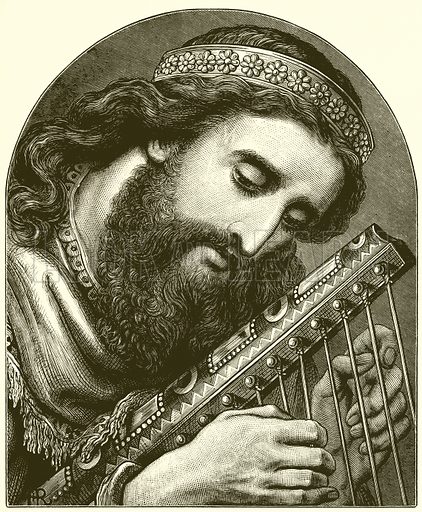
Saul sits with his spear in hand, and David, his arch enemy, stands before Saul playing the harp. Instead of being comforted, he becomes murderous. It seems he cannot control himself. And with that spear Saul throws it at David, and Saul intends to “pin David to the wall.” 

Somehow David eludes it, and escapes into the night. 

Some of this seems logical and understandable. The “good” escapes; but the evil in the heart of Saul remains. From this point on, Saul is basically “unreachable.” He becomes full of darkness. 

And without God’s Holy Spirit convicting and leading us through our own sin, we too will destroy ourselves. The lesson of Saul’s repeated rebellion should terrify the believer who wants to follow Jesus. Let’s not trifle with sin; if not dealt with will also destroy us. 

 Andrew Murray