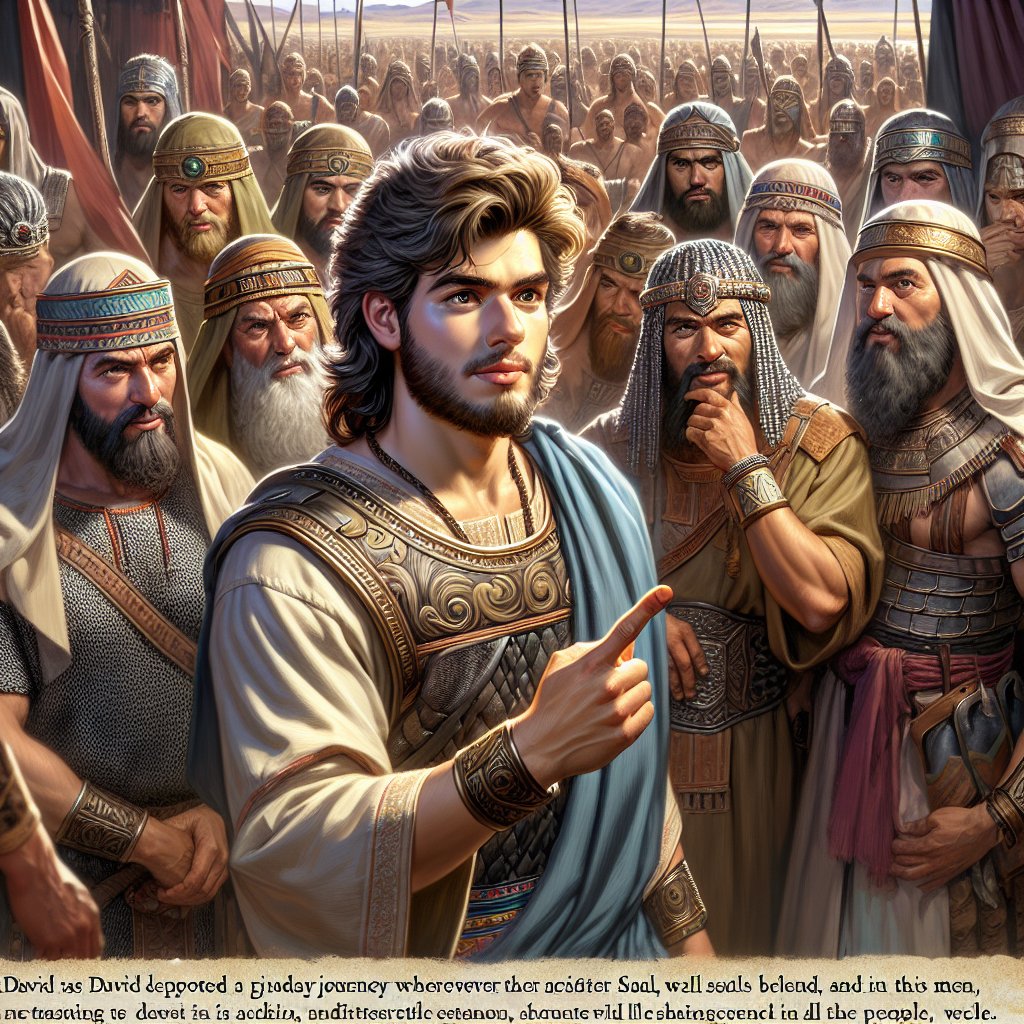
“And the priest answered David, “I have no common bread on hand, but there is holy bread—if the young men have kept themselves from women.” 5 And David answered the priest, “Truly women have been kept from us as always when I go on an expedition. The vessels of the young men are holy even when it is an ordinary journey. How much more today will their vessels be holy?” 6 So the priest gave him the holy bread, for there was no bread there but the bread of the Presence, which is removed from before the Lord, to be replaced by hot bread on the day it is taken away.”
1 Samuel 21:4-6, ESV
From reading this passage, we see that David wants to stay one step ahead of Saul. He pretends he’s leading a group of men. This is not true. The reality is that he’s on the run trying to evade the king, and the soldiers. Arriving at the priestly city of Nob he is very hungry. David needs food to continue on.
For some reason David flees to Nob, a town that has been given to the priests. It also is where the tabernacle was kept during the reign of Saul. That tabernacle was the precursor to the temple.
I believe that David was drawn to this place because of that. It was a sanctuary.
I also believe that Ahimelech knew nothing of the conflict between David and Saul. Not that it would change anything, but still David concocted a lie that he was under orders from Saul (v. 3).
The high priest knew that David had been anointed by the prophet Samuel to be the future king. Perhaps that is why Ahimelech trembled when he first met David (v. 1). “Why has he come here?”
David was tired, frightened, and hungry. He had made no provision for food, which explains the rapidity of his flight from Saul. David had left as fast as he could. David also knew that the tabernacle at least had bread.
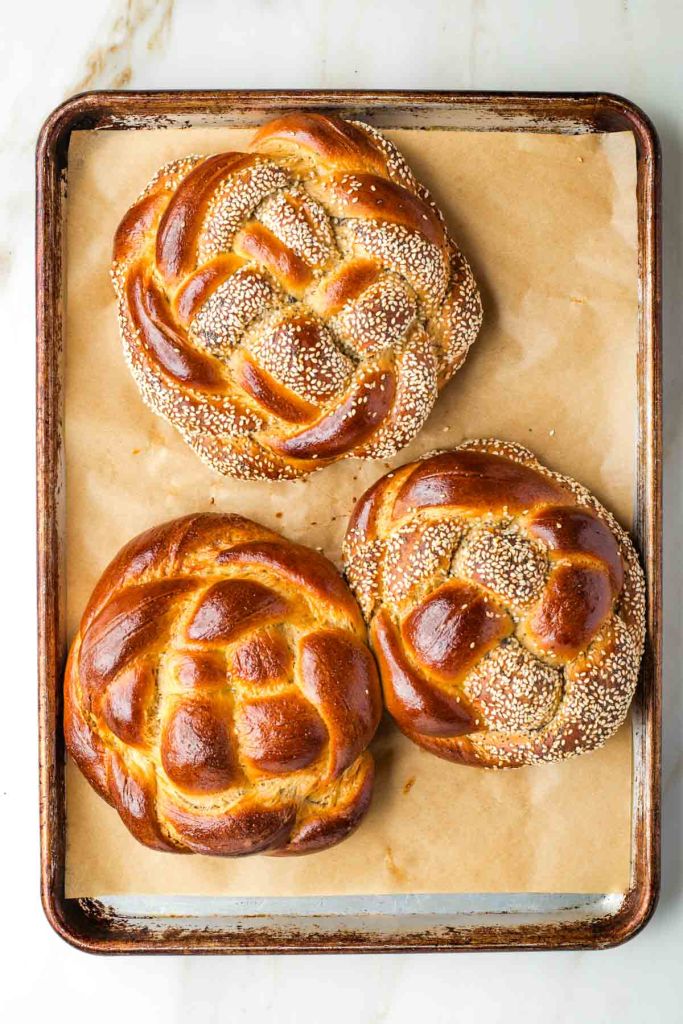
There were 12 loaves (representing the 12 tribes and God’s special covenant with them) of consecrated bread. These loaves were replaced daily. In Leviticus it made it clear that only the priests and their families could eat them.
Each morning, fresh hot bread would be set in the Lord’s presence. Perhaps this signifies God wants fresh fellowship from us every day. Believers will hunger for Him; He will give us “our daily bread.” What He offers us is always fresh, and Jesus knows exactly what we need.
“So the priest gave him holy bread; for there was no bread there but the showbread: In giving David the bread, Ahimelech broke with priestly custom but not with God’s word. He rightly understood that human need was more important than Levitical observance.”
David Guzik
But David’s presence would create awful consequences for the priests living in Nob. Terrible things will happen very shortly.
We will see this in a future post.