War Crime: Aftermath

1 Samuel 22:20-23 

The terrible slaughter of the town of Nob had been total—well, almost. One man escaped and ran to David.  His name is Abiathar. He brought the report to David of the complete massacre of everyone. Abiathar also identified Doeg the Edomite as the murderer. 

David has a soul searching, reflective response to this news.  

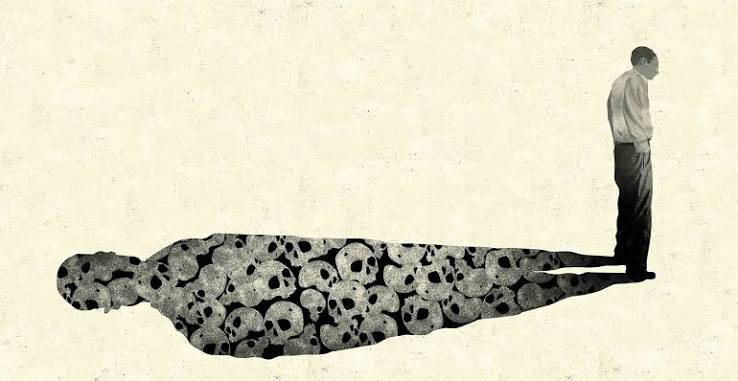
This intrigues me. “I knew…” and “I caused…” David now realized his actions had terrible consequences. He voices his complicity out loud. In his heart he sees his guilt (at least partially). This dark murder would change him. 

His sin was lying to the high priest.  

David deceived him. Doeg also saw David manipulating Ahimelech and Doeg remembered this. In a sense David in his awful duplicity created death for the priestly city of Nob. In his heart, he understood what he had done. 

We must realize how our evil has ramifications.  

It’s like throwing a rock in a still pool. Concentric waves happen as a result, and they cannot be stopped. Consequences to sin affect others and often we never realize it. But here we see David seeing it and responding like he did. 

David seems to have a tender heart to respond to what he has done. It becomes the impetus of Psalm 52 which was written during this time. Here we can read what he was thinking. Here’s the title and verses 1-3. 

Psalm 52:1-3

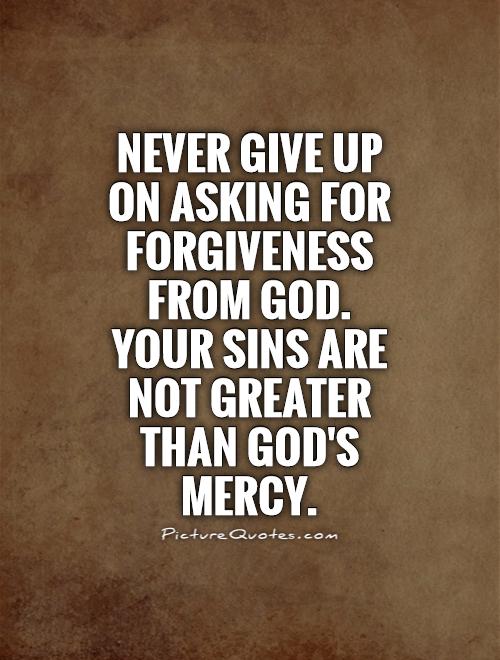
It’s quite apparent that David survives his guilt, and that is a powerful lesson for us. There are things that must be turned over to God. There is forgiveness for the evil we have done. We must give that to God. 

Psalm 103:12

War Crime

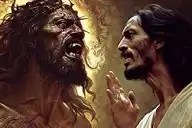
Why have you encouraged him to kill me, as he is trying to do this very day?” 

14 “But sir,” Ahimelech replied, “is anyone among all your servants as faithful as David, your son-in-law? Why he is the captain of your bodyguard and a highly honored member of your household! 15 This was certainly not the first time I had consulted God for him! May the king not accuse me and my family in this matter, for I knew nothing at all of any plot against you.” 

16 “You will surely die, Ahimelech, along with your entire family!” the king shouted. 17 And he ordered his bodyguards, “Kill these priests of the Lord, for they are allies and conspirators with David! They knew he was running away from me, but they didn’t tell me!” But Saul’s men refused to kill the Lord’s priests. 

18 Then the king said to Doeg, “You do it.” So, Doeg the Edomite turned on them and killed them that day, eighty-five priests in all, still wearing their priestly garments. 19 Then he went to Nob, the town of the priests, and killed the priests’ families—men and women, children and babies—and all the cattle, donkeys, sheep, and goats. 

20 Only Abiathar, one of the sons of Ahimelech, escaped and fled to David. 21 When he told David that Saul had killed the priests of the Lord, 22 David exclaimed, “I knew it! When I saw Doeg the Edomite there that day, I knew he was sure to tell Saul. Now I have caused the death of all your father’s family. 23 Stay here with me, and don’t be afraid. I will protect you with my own life, for the same person wants to kill us both.” 

1 Samuel 22:12-23, NLT 

The deeply paranoid king is desperate; he must capture David. Saul needs information and intelligence; at times like this he must rely on his network of spies. Most leaders depend on that. Especially bad ones. 

King Saul is trying hard to find David.

Saul’s consumed. He’s insane. When at last he gets a lead, he takes his army to the priestly city of Nob. Doeg the Edomite gives Saul the tip, he had seen David there, consulting with the Lord, and taking bread and a sword from Abimelech, the high priest. 

Simply based on Doeg’s singular witness, Saul will order the deaths of 85 priests and the entire town of Nob, a city populated with the Levitical priesthood and their families. When Saul orders the murder, his own men refused to carry it out. They simply refused, and so he must rely on the Edomite, Doeg. 

This passage is terrible and reveals all of Saul’s depraved brutality. 

One by one, systematically Doeg murders each priest. The bodies keep stacking up. It’s a massacre. Doeg now begins to slaughter their families. And then to all the livestock, until the entire town is one bloody graveyard. 

I admit I don’t understand exactly why? 

But there is one priest who escapes. Just one man and he flees to David and carries the horrific news of the wholesale slaughter of Nob. Saul and Doeg have completely decimated the city to punish them for aiding David. 

And David remembers seeing Doeg there. He also has a moment of truth as he understands his own guilt in this massacre. I suspect he now understands Saul’s cruelty, and David learns a lesson he will never ever forget. 

EnduringWord.com

True Colors

Saul wants to kill David

Jonathan now knows; his father’s true colors were now obvious, which almost always happens over time. Saul hates David and now begins an even more effort to murder him. His hatred now consumes him. The king is no longer rational. He wants to kill him. 

But Jonathan is committed to warning David. He loves his friend; and so, he sticks with a prearranged signal. He will risk everything. David must be warned. 

1 Samuel 20:36-38, ESV 

Those arrows were genius—a plan that was wonderful and kept Jonathan safe. And David would now know his next step. I must admit I see no reference to prayer or seeking God, that troubles me. (But I must assume the singer of Psalm 23 understood God’s protection and care.) 

1 Samuel 20:41-42 

David saw the arrows and heard Jonathan speak. I suspect his heart sank. He wanted reconciliation and he didn’t want to leave in this way. And he didn’t want to go out in the wilderness. He was now a fugitive on the run. 

David loved Jonathan and it showed it. There was nothing cold or professional. He expressed a love that went beyond “bad news.” It wasn’t contingent on terrible news, for it was real, authentic. He had made a covenant. 

David will now spend the next 10-15 years on the run from Saul. 

He will try to live in the wilderness. But David would be protected by the Lord, and although he didn’t realize it, he was on a timetable set by God Himself. The clock was running but David was learning many things about being a king. His education would be long and hard. 

“Experience: that most brutal of teachers. But you learn, my God, do you learn.” 

 C.S. Lewis 

I believe David still had his harp, and I believe he would still worship the Lord God. He would compose even more psalms. And much of the wilderness would be woven into what he would sing. Worship was at his very core. 

And worship is why we exist.