A Plan to Understand Saul

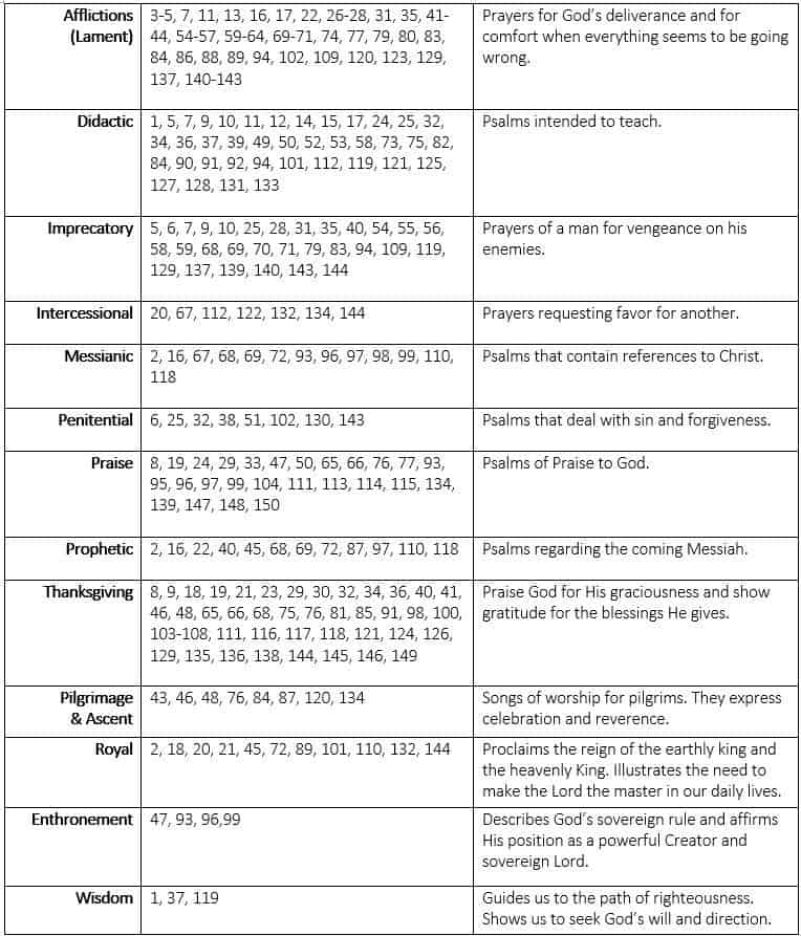
This entire scene is a bit strange. David and Jonathan meet; they are careful as they should be. David is hiding and I strongly suspect that David is discouraged. He has done nothing wrong—quite the opposite. David suspects that king Saul’s bitterness and jealousy, and bitterness are out of control. Saul intends to murder David. The entire story is found in 1 Samuel 20:5-23.  

“Tomorrow, we celebrate the new moon festival. I’ve always eaten with the king on this occasion, but tomorrow I’ll hide in the field and stay there until the evening of the third day. If your father asks where I am, tell him I asked permission to go home to Bethlehem for an annual family sacrifice. If he says, ‘Fine!’ you will know all is well. But if he is angry and loses his temper, you will know he is determined to kill me.” 

1 Samuel 20:5-7 

These verses reveal David’s plan. They describe a maneuver that will reveal Saul’s heart toward David: will it be reinstatement or will it be murder? Obviously, David must find out. Will he continue to run and evade death or will he be restored? He obviously must know. 

David has no idea, but he has a plan to find out for sure. 

But let’s switch to Jonathan as he will be David’s eyes and ears into the banquet room. David will rely on the report of Jonathan, one way or the other. The plan is carefully made, and it seems like a wise one. Obviously, it involves Jonathan’s participation.   

“Jonathan’s response to David’s discouragement wasn’t theological rebuke but practical help; he offered concrete assistance to a friend walking through despair, modeling genuine support.” -David Guzik 

Jonathan only asks for a promise from David. (Which David fulfills later to Mephibosheth in 2 Samuel 9). He asks that, “If I am still alive, show me the steadfast love of the Lord, that I may not die; 15 and do not cut off your steadfast love from my house forever, when the Lord cuts off every one of the enemies of David from the face of the earth.” 

Jonathan reminds David of their covenant together after the slaying of Goliath. There’s now a political element added: David will need to protect the house of Jonathan, his heirs.  

It is Jonathan and not Saul who understands God’s heart. 

It is Jonathan’s humility that makes the whole plan work. There seems to be no guile here; he understands what the Lord wants to do. Many believers want to be a “David,” but it is Jonathan that seems to show more integrity, decency and honor. 

Jonathan proves that he is a man of integrity, and he asks that David be one also. It’s Jonathan that models that deep decency to the heart of David. 

This plan will reveal Saul’s motives; it’s designed to uncover his heart. That’s what the Holy Spirit does. David must know; his life depends on it. Jonathan is key to David’s survival and he must trust him. He depends on him to “pull off” this off. This strategy will determine David’s next step. 

I believe David still praises God.

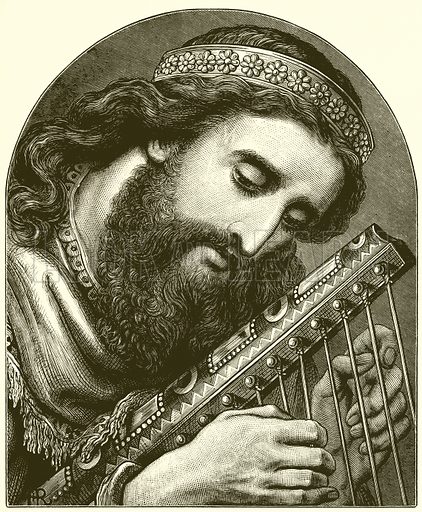
I believe David still writes and sings. Worship is in his blood, and even if he sits on a knife’s edge, David praises Jehovah even if it seems illogical. 

God has anointed Davd and nothing has changed; when Samuel poured oil on his head it became the evidence of the Lord’s choice, blessing and approval. David’s calling was a done deal. David worships. 

    Rick Warren

BFF: A Covenant Between Brothers

I Samuel 18:1-4 

It seems that Saul met with David immediately after the altercation with Goliath, a sort of debriefing. I can still see David carrying the decapitated head of the Philistine warrior. It would’ve been a bloody sight. 

After this meeting with Saul, he was no longer just a shepherd; David was now a warrior. 

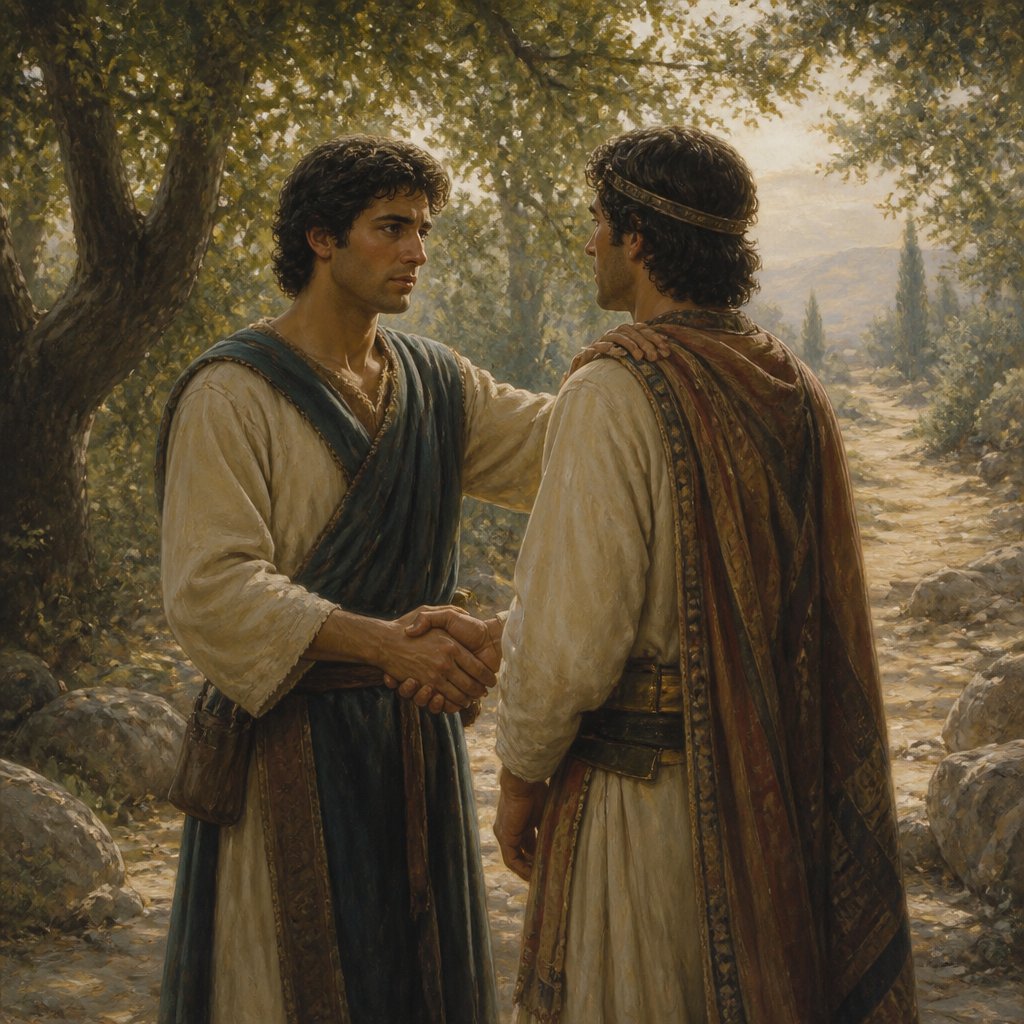
There is something else–a new development, a commitment, or a covenant between David and Jonathan. Something significant happened there, and like most matters of the heart, it was difficult to explain. Some might think it was erotic, but that sullies and distorts this relationship. No, it was far more than that. 

Men generally avoid real friendship. In my 65 years I can think of 1-2 similar connections that approach this kind of depth or attachment. Almost all of my friends are more or less superficial. I rarely press beyond this. Maybe it’s kind of scary? 

David was anointed by Samuel to be the next king. He had been chosen to wield the power and authority of Israel with humility and grace. David knew it, but Jonathan saw it. 

I believe that Jonathan’s calling was perhaps more difficult: he had to yield the throne to David. Jonathan had to renounce ambition and pride. He would turn his back on his ego and drive. He would never be king. (Some would destroy themselves before we did this.) 

The text reveals some of the “covenant love” between these two men. Jonathan sheds off the trappings of his identity and gives them to David. In doing so, David is declared to be the future king.  

Jonathan commits to serving David. In his mind he rejects the notion of a hereditary monarchy. Being the king of Israel must be one of anointing, not who your father is. Both men recognize this implicitly. 

Romans 12:10, ESV

“The Battle is the Lords”

David knew what would happen before it actually did. Most likely it had to do with a faith that understood God, he truly accepted that “the battle was/is the Lord’s. He accepted this.

Not only did David see this in Goliath, but notice this in the text, “I will give the dead bodies of the host of the Philistines this day to the birds of the air and to the wild beasts of the earth, that all the earth may know that there is a God in Israel.”

David understood that David would be killed by him, but the entire army would also die that day.

It would be a total victory over the entire Philistine army.

Also, let’s consider this phrase “the battle is the Lord’s. David says this and establishes something each believer must embrace today. We live in a war that Satan has instigated. Each of us must know exactly what we’re up against. A killer, and a destroyer of people!

Check this out:

“The thief comes only to steal and kill and destroy. I came that they may have life and have it abundantly.” John 10:10

(Notice Jesus’ ministry on us though in this “wonderful” verse.)

Let’s go back to David. It seems when he was good he was very good, but if we’re to be honest, when he was bad, he was very bad. (But forgiven.) Now I don’t understand what you think about all of this. But he did repent, and he was pardoned.

Wearing Armor that Fits You

1 Samuel 17:38-39, see also NLT

I sense that king Saul was worried and scared. Facing Goliath was a man’s job, not for a skinny boy. A defeat would be catastrophic. But the terms offered by Goliath would allow the Philistines total control over Israel. This was unacceptable.

But David had heard Goliath’s bellowing blasphemy, The God of Israel was being challenged and mocked. Something inside of David rose up. God’s honor was at stake.

No one thought that David had a “snowball’s chance in hell.”

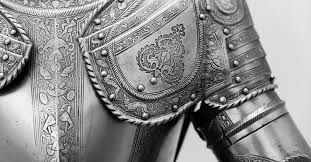
In this passage we read that Saul offered David his own armor. Now I don’t know what was going through Saul’s mine–did he feel guilty or embarrassed? Why did he do this?

To allow David the boy to go ahead and fight Goliath was disturbing but David presents his case rather forcibly; he tells of his encounters with bears and lions attacking his flock. (1 Samuel 17:34-36.)

So, what traits is he showing? I think the first is zeal, and then courage, faith, self-sacrifice and righteous anger. But perhaps the most significant (and easily forgotten) is love. He simply loved God, and loved the nation (and armies) of Israel. Love is not always gushy. It’s action. It pushes one to take risks.

As I survey this passage I’m struck by Psalm 23. Most commentators believe this particular Psalm was written previously before this fight with Goliath. It was composed while David was with his flock out in the pasture.

Wearing armor is necessary as a Christian. If you’re a born again believer, then it’s to be a critical part of who you are spiritually. When the apostle Paul writes to the Ephesian believers he pointedly refers to what we’re to wear spiritually when we stand against our personal “Goliath.” I would stress that this isn’t an optional feature.

Ephesians 6:11-12, NLT