A Plan to Understand Saul

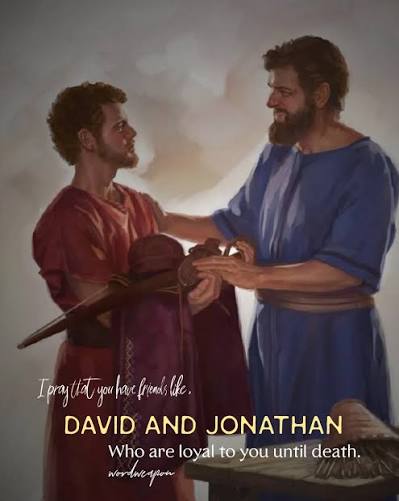
This entire scene is a bit strange. David and Jonathan meet; they are careful as they should be. David is hiding and I strongly suspect that David is discouraged. He has done nothing wrong—quite the opposite. David suspects that king Saul’s bitterness and jealousy, and bitterness are out of control. Saul intends to murder David. The entire story is found in 1 Samuel 20:5-23.  

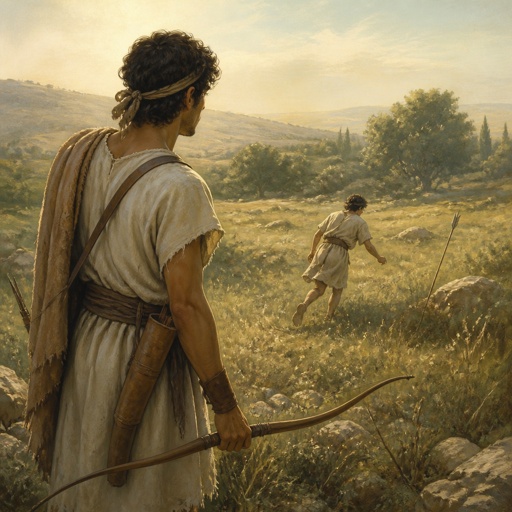
“Tomorrow, we celebrate the new moon festival. I’ve always eaten with the king on this occasion, but tomorrow I’ll hide in the field and stay there until the evening of the third day. If your father asks where I am, tell him I asked permission to go home to Bethlehem for an annual family sacrifice. If he says, ‘Fine!’ you will know all is well. But if he is angry and loses his temper, you will know he is determined to kill me.” 

1 Samuel 20:5-7 

These verses reveal David’s plan. They describe a maneuver that will reveal Saul’s heart toward David: will it be reinstatement or will it be murder? Obviously, David must find out. Will he continue to run and evade death or will he be restored? He obviously must know. 

David has no idea, but he has a plan to find out for sure. 

But let’s switch to Jonathan as he will be David’s eyes and ears into the banquet room. David will rely on the report of Jonathan, one way or the other. The plan is carefully made, and it seems like a wise one. Obviously, it involves Jonathan’s participation.   

“Jonathan’s response to David’s discouragement wasn’t theological rebuke but practical help; he offered concrete assistance to a friend walking through despair, modeling genuine support.” -David Guzik 

Jonathan only asks for a promise from David. (Which David fulfills later to Mephibosheth in 2 Samuel 9). He asks that, “If I am still alive, show me the steadfast love of the Lord, that I may not die; 15 and do not cut off your steadfast love from my house forever, when the Lord cuts off every one of the enemies of David from the face of the earth.” 

Jonathan reminds David of their covenant together after the slaying of Goliath. There’s now a political element added: David will need to protect the house of Jonathan, his heirs.  

It is Jonathan and not Saul who understands God’s heart. 

It is Jonathan’s humility that makes the whole plan work. There seems to be no guile here; he understands what the Lord wants to do. Many believers want to be a “David,” but it is Jonathan that seems to show more integrity, decency and honor. 

Jonathan proves that he is a man of integrity, and he asks that David be one also. It’s Jonathan that models that deep decency to the heart of David. 

This plan will reveal Saul’s motives; it’s designed to uncover his heart. That’s what the Holy Spirit does. David must know; his life depends on it. Jonathan is key to David’s survival and he must trust him. He depends on him to “pull off” this off. This strategy will determine David’s next step. 

I believe David still praises God.

I believe David still writes and sings. Worship is in his blood, and even if he sits on a knife’s edge, David praises Jehovah even if it seems illogical. 

God has anointed Davd and nothing has changed; when Samuel poured oil on his head it became the evidence of the Lord’s choice, blessing and approval. David’s calling was a done deal. David worships. 

    Rick Warren

The Encourager

1 Samuel 20:1-4, ESV 

David leaves Naioth behind, as he realizes that Saul (and his soldiers) had been temporarily “disabled.” He knew that the threat to assassinate him had for the time being had been stalled, and yet David didn’t stay for the theatrics. He simply knew it was time for an escape. 

And yet David seems mystified, and he reaches out to Jonathan with 3 questions that trouble him. It seems David is loyal, but he simply doesn’t understand the intensions of Saul. In all three questions David asks “what.” He is mystified. 

It takes the humility of Jonathan to attempt to ease David’s fear. 

Jonathan answers in an oblique way. He assures David that he can protect him with what he knows. Jonathan is aware of Saul’s treacherous plans and assures David of the strategies and plans that the enemy is concocting. He will do all that he can. 

It is here that we begin to understand that Saul is drawing near, and that David realizes that certain death has gotten very close. David understands how close he has come to being killed at the hand of Saul. “A step between me and death” is how David sees the plots of Saul. 

Again, Jonathan assures David of his commitment. Although he does not debate the claims of David, he simply assures him of his covenantal dedication. Jonathan encourages a discouraged man, and he speaks hope to the struggling David. 

This is what an encourager does. They bring comfort to the frustrated and weary. They stand in a remarkable place, and although they won’t deny the facts, they give strength to the weary. They declare all that God is to those who are overwhelmed and fearful. 

“He gives power to the weak and strength to the powerless.”  

Isa. 40:29, NLT 

This comfort usually comes through people—servants of God who do not debate but encourage. They have renounced their own agenda and now live for others. They embolden, spurring others to be faithful to their calling. 

Charles Spurgeon 

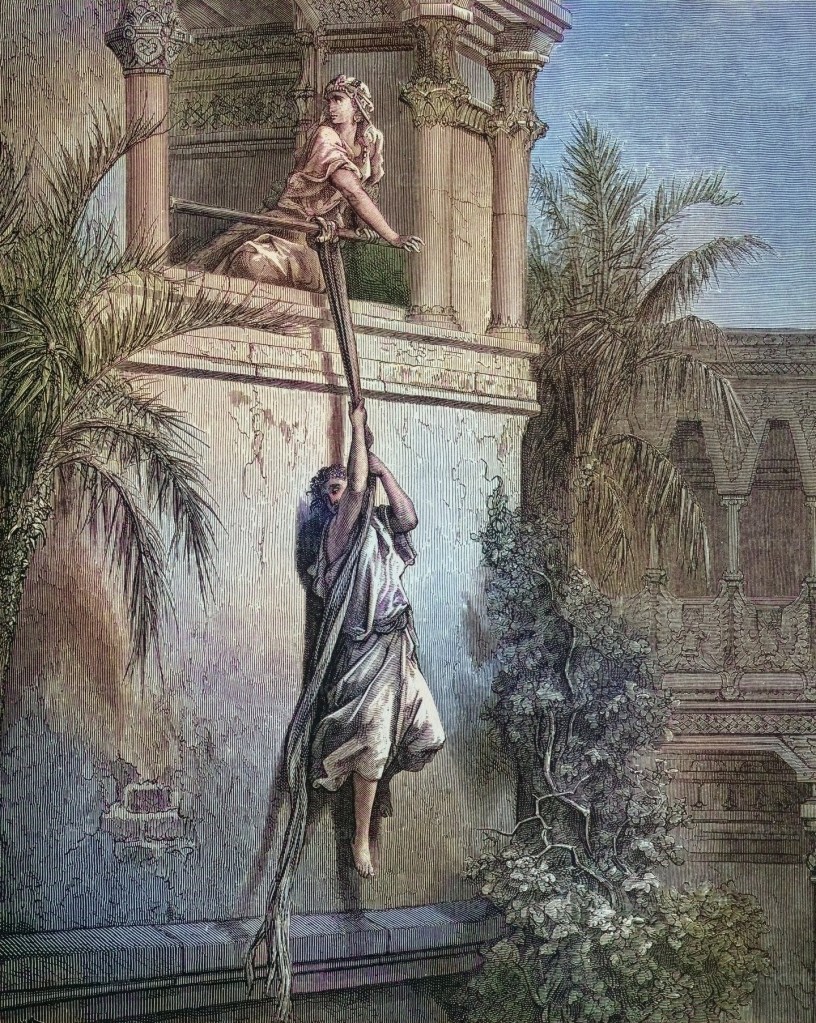
Climbing Out the Window

Engraving by Gustave Doré (1886)

1 Samuel 19:11-17 

Let’s consider the resourcefulness of Michal: 

Much of this passage deals with Michel, David’s first wife. She is clever, showing ingenuity in helping David escape. An explanation– When Saul realized that the Lord was with David and how much his daughter Michal loved him, 29 Saul became even more afraid of him, and he remained David’s enemy for the rest of his life. (18:28-29.) 

Her actions enabled David to escape. First, she warned him. Second, she gave him directions to leave their bed chamber. Third, put a facsimile of David in their bed to buy him more time to escape. They both knew that Saul’s troops were coming. 

Notice Saul’s distorted thinking; he considered her actions as a “betrayal.” He knew that David escaped due to her actions to gain David some time, 

Saul interrogated her himself; he strongly asserted that she helped David escape. She lied to protect herself–” “He threatened to kill me if I didn’t help him.” (v. 17.) Now this wasn’t true, but her own life was at stake. Whether or not the lie was necessary, it created enough latitude for her to escape any punishment. 

Her crafty wisdom would give David a chance to escape. 

One thing struck me reading the text. These troops were most likely man who had served under the direction of David against the Philistines. There is something false about them, a betrayal of what they knew as false orders to apprehend and to kill David. 

David would face these men again. Saul’s hatred and his attempted murder of David had just begun.  

Jonathan Understands

“And Saul spoke to Jonathan his son and to all his servants, that they should kill David. But Jonathan, Saul’s son, delighted much in David. And Jonathan told David, “Saul my father seeks to kill you. Therefore be on your guard in the morning. Stay in a secret place and hide yourself. And I will go out and stand beside my father in the field where you are, and I will speak to my father about you. And if I learn anything I will tell you.”  

4 “And Jonathan spoke well of David to Saul his father and said to him, “Let not the king sin against his servant David, because he has not sinned against you, and because his deeds have brought good to you. For he took his life in his hand and he struck down the Philistine, and the Lord worked a great salvation for all Israel. You saw it, and rejoiced. Why then will you sin against innocent blood by killing David without cause?” And Saul listened to the voice of Jonathan. Saul swore, “As the Lord lives, he shall not be put to death.”  

7 “And Jonathan called David, and Jonathan reported to him all these things. And Jonathan brought David to Saul, and he was in his presence as before.” 

1 Samuel 19:1-7 

What a strange sequence of events, but stranger things have happened and will happen to David (the future king of Israel). 

Saul finally takes his rage out into the open. He wants David to be executed, but he never offers any justification for his anger or decision. All he wants is David’s head. No explanation is given. David is regarded as a traitor, but to whom? 

Saul requires his court to take action. The king wants David dead. This proclamation has never happened before—the king of Israel demanding the death of another Israelite. This is the deep power of wickedness coming from a twisted heart. This can only come from something quite satanic. 

Jonathan, at this critical point, understands the strong power of covenant. He has vowed to defend David, no matter what the cost is. He will be true forever. So Jonathan determines to defend his “brother.” 

Jonathan has now become a spy. He listens closely and then passes to David about what has heard. He will defend him no matter the cost. Jonathan understands that the very life of David is in his hands. 

Jonathan reminds king Saul of the heroics of David on behalf of the nation of Israel. He speaks truth into untruth. Saul listens and is persuaded that his decrees are wrong. He backs off and vows to treat David favorably. 

Saul swears that David should not be touched (executed). That will be temporary as we can see. It seems that Saul’s wrath is simmering below the surface. His repentance is only for show, at least for this moment. Oh, the depth of an angry unforgiveness. 

Because of Jonathan’s intercession, David is forgiven temporarily, and he is restored to his place in court. Perhaps David’s past triumphs are the key to his present survival, at least for the moment.