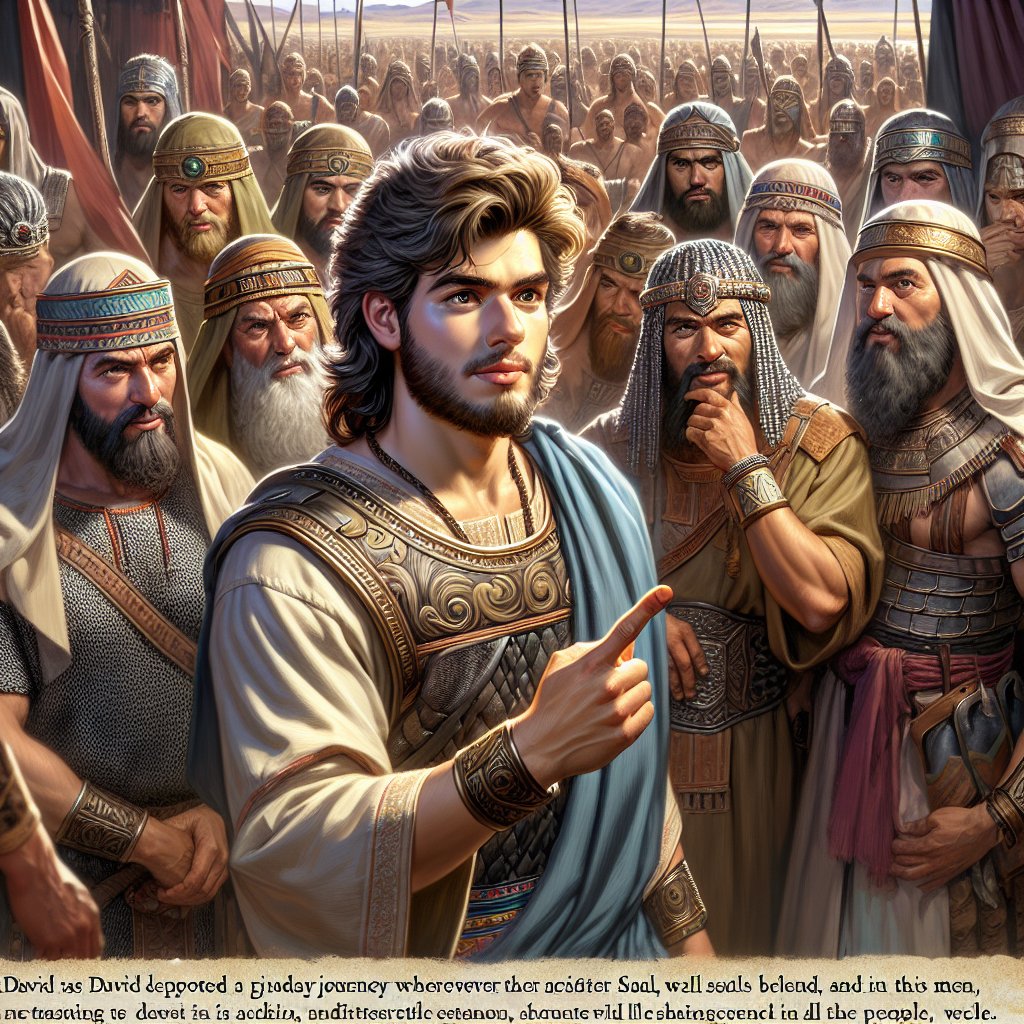
7 Saul soon learned that David was at Keilah. “Good!” he exclaimed. “We’ve got him now! God has handed him over to me, for he has trapped himself in a walled town!” 8 So Saul mobilized his entire army to march to Keilah and besiege David and his men.
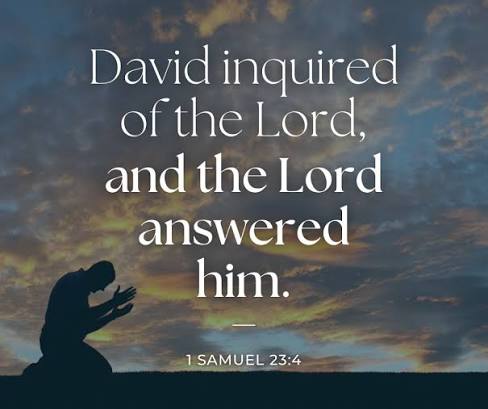
9 But David learned of Saul’s plan and told Abiathar the priest to bring the ephod and ask the Lord what he should do. 10 Then David prayed, “O Lord, God of Israel, I have heard that Saul is planning to come and destroy Keilah because I am here. 11 Will the leaders of Keilah betray me to him? And will Saul actually come as I have heard? O Lord, God of Israel, please tell me.”
And the Lord said, “He will come.”
12 Again David asked, “Will the leaders of Keilah betray me and my men to Saul?”
And the Lord replied, “Yes, they will betray you.”
1 Samuel 23:7-12, NLT
This passage reveals three details that are especially important to the reader.
- Saul still believes that he has God’s approval and blessing.
- David is still seeking the Father’s will and wisdom
- Keilah, freed from attack by the Philistines by David, will turn right around and betray David.
Saul still believes.
It’s odd how someone like King Saul can still believe that the Lord is guiding him. His heart is honeycombed with jealousy and murder, and yet he doesn’t see it. He still thinks that wearing a crown gives him the automatic privileges of divine kingship and blessing.
What self-deception, Saul has not had God’s approval for a very long time, (see 1 Samuel 15:10-30). Obedience is far better than any sacrifice. Saul has been living outside of the presence for a long time.
“As the salt flavors every drop in the Atlantic, so does sin affect every atom of our nature. It is so sad there, so abundantly there, that if you cannot detect it, you are deceived.”
David is still seeking.
Hearing the desperation of Keilah, and then seeking the Lord of what to do, he directs his men to protect the city. He makes no strategic decision that could possibly put him outside of God’s will. He will not do this.
“The greatest mistake any Christian can make is to substitute his own will for the will of God.”
Keilah, will betray David.
This is so treacherous, it can hardly be believed or understood. The hearts of lost men only seek their own benefit. The elders of Keilah turn around and sell out those who had just delivered them. David seeks again God’s will and finds out that they will be betrayed. What should have been a celebration of joy only discloses lies and falsehoods.
Ironic, isn’t it. David and his 400 men escape the town they had just saved.
“Protect me from wicked people who attack me, from murderous enemies who surround me.”
Psalm 17:9