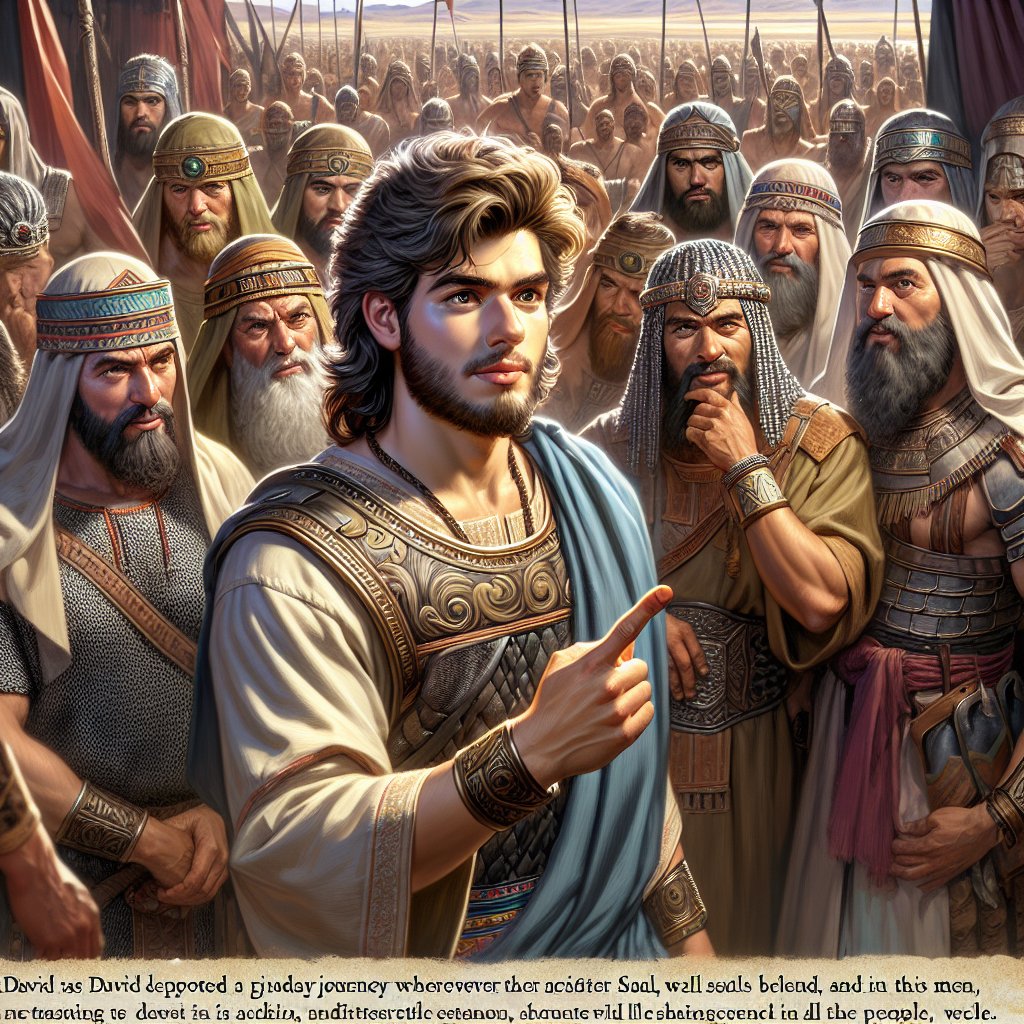

A Plan to Understand Saul

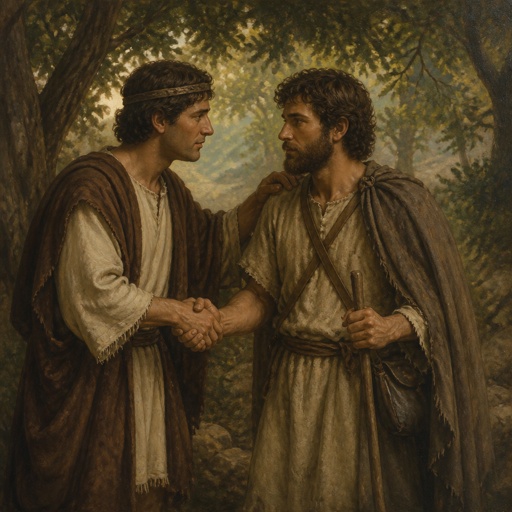
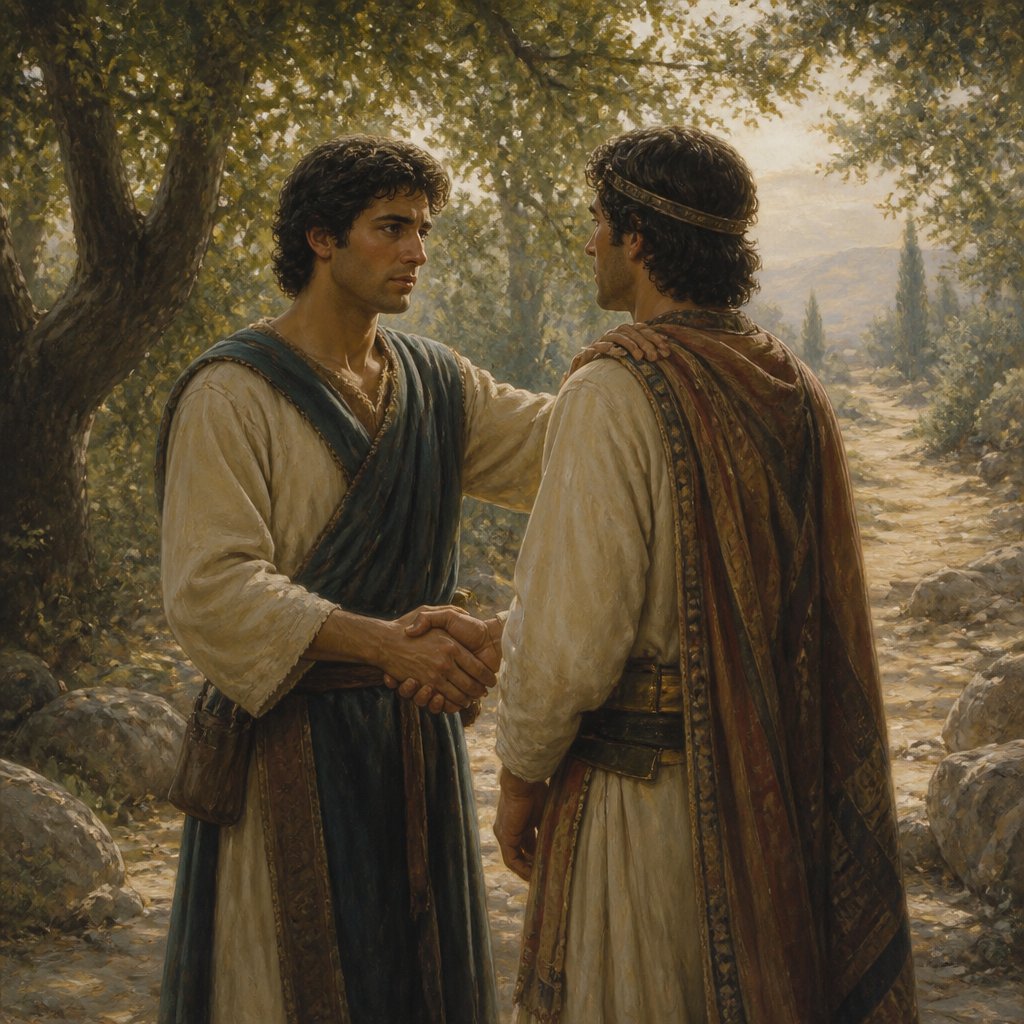
This entire scene is a bit strange. David and Jonathan meet; they are careful as they should be. David is hiding and I strongly suspect that David is discouraged. He has done nothing wrong—quite the opposite. David suspects that king Saul’s bitterness and jealousy, and bitterness are out of control. Saul intends to murder David. The entire story is found in 1 Samuel 20:5-23.  

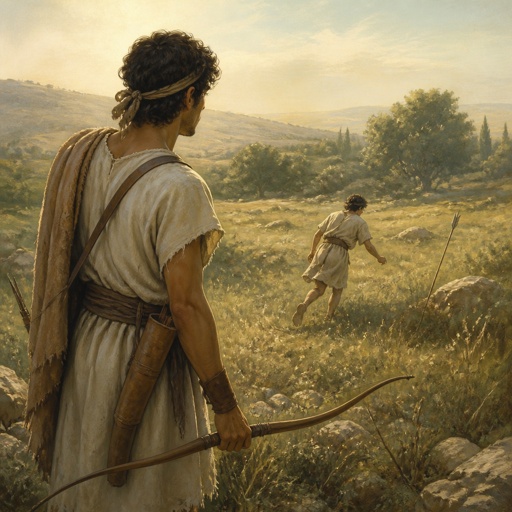
“Tomorrow, we celebrate the new moon festival. I’ve always eaten with the king on this occasion, but tomorrow I’ll hide in the field and stay there until the evening of the third day. If your father asks where I am, tell him I asked permission to go home to Bethlehem for an annual family sacrifice. If he says, ‘Fine!’ you will know all is well. But if he is angry and loses his temper, you will know he is determined to kill me.” 

1 Samuel 20:5-7 

These verses reveal David’s plan. They describe a maneuver that will reveal Saul’s heart toward David: will it be reinstatement or will it be murder? Obviously, David must find out. Will he continue to run and evade death or will he be restored? He obviously must know. 

David has no idea, but he has a plan to find out for sure. 

But let’s switch to Jonathan as he will be David’s eyes and ears into the banquet room. David will rely on the report of Jonathan, one way or the other. The plan is carefully made, and it seems like a wise one. Obviously, it involves Jonathan’s participation.   

“Jonathan’s response to David’s discouragement wasn’t theological rebuke but practical help; he offered concrete assistance to a friend walking through despair, modeling genuine support.” -David Guzik 

Jonathan only asks for a promise from David. (Which David fulfills later to Mephibosheth in 2 Samuel 9). He asks that, “If I am still alive, show me the steadfast love of the Lord, that I may not die; 15 and do not cut off your steadfast love from my house forever, when the Lord cuts off every one of the enemies of David from the face of the earth.” 

Jonathan reminds David of their covenant together after the slaying of Goliath. There’s now a political element added: David will need to protect the house of Jonathan, his heirs.  

It is Jonathan and not Saul who understands God’s heart. 

It is Jonathan’s humility that makes the whole plan work. There seems to be no guile here; he understands what the Lord wants to do. Many believers want to be a “David,” but it is Jonathan that seems to show more integrity, decency and honor. 

Jonathan proves that he is a man of integrity, and he asks that David be one also. It’s Jonathan that models that deep decency to the heart of David. 

This plan will reveal Saul’s motives; it’s designed to uncover his heart. That’s what the Holy Spirit does. David must know; his life depends on it. Jonathan is key to David’s survival and he must trust him. He depends on him to “pull off” this off. This strategy will determine David’s next step. 

I believe David still praises God.

I believe David still writes and sings. Worship is in his blood, and even if he sits on a knife’s edge, David praises Jehovah even if it seems illogical. 

God has anointed Davd and nothing has changed; when Samuel poured oil on his head it became the evidence of the Lord’s choice, blessing and approval. David’s calling was a done deal. David worships. 

    Rick Warren

Saul Hates David

1 Samuel 18:28-30 

David was fighting two battles at once. He had to face King Saul’s hostility, and the ongoing war with the Philistine’s army. I suppose that it was a tremendous drain. After the battle he came home and found nothing but jealousy and anger. 

Saul was very afraid of David. 

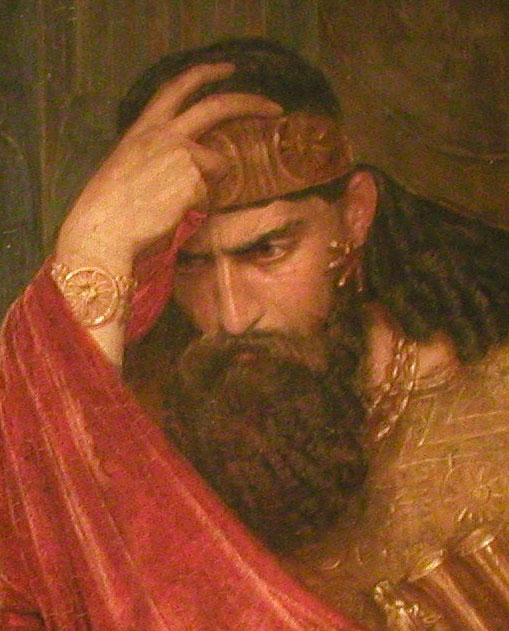
Fear like this turned into deep seated malevolence and hatred. Despite his tremendous success he, upon returning home, found zero recognition. To many he was a hero, but to Saul he was despised and detested. And again, Saul was deeply afraid of David. 

Fear accomplishes nothing. Fear only destroys. 

Saul was in a spiritual downward spiral. It was just a matter of time before the end. King Saul had become evil. God’s Spirit had left him, and he was nothing more than a shell, vacant and empty of anything good. Perhaps David was grieved to see the king turn into something unrecognizable and dark. 

David had been anointed as the next king. 

The prophet’s word had been spoken. There would be resistance and hostility which seemed to contradict this prophecy. David would soon discover the enemies battle against what God had declared. (But what choice did he have?) 

God’s declaration of David’s anointing didn’t matter to Saul. He would continue the path he had chosen. David would continue to find success against the Philistines.

David Guzik 

100 Foreskins

24 When Saul’s men reported this back to the king, 25 he told them, “Tell David that all I want for the bride price is 100 Philistine foreskins! Vengeance on my enemies is all I really want.” But what Saul had in mind was that David would be killed in the fight. 

26 David was delighted to accept the offer. Before the time limit expired, 27 he and his men went out and killed 200 Philistines. Then David fulfilled the king’s requirement by presenting all their foreskins to him. So Saul gave his daughter Michal to David to be his wife. 

28 When Saul realized that the Lord was with David and how much his daughter Michal loved him, 29 Saul became even more afraid of him, and he remained David’s enemy for the rest of his life. 30 Every time the commanders of the Philistines attacked, David was more successful against them than all the rest of Saul’s officers. So David’s name became very famous. 

1 Samuel 18:24-30, NLT 

A snare had been set. King Saul wanted David dead. A trap would destroy him; Saul had the bait, and he also knew that nothing could be traced back to him. David had become very popular, and so Saul had to be very careful. 

Saul had a plan, and yet it seemed it was a good one. 

David was called upon to do what seemed impossible. Saul declared that David was to bring him back 100 “foreskins” taken from the dead Philistines. Now the Philistines had been a terrible problem for the people of Israel. They had been attacking and destroying without any restraint. 

Saul surmised that whether to win or lose, that the David problem would be resolved. If anything, David would be tarnished in the minds of the Philistines. Perhaps a bounty would be placed on David’s head. He would become a “target” and be especially hated. Perhaps this is true? 

But David would ultimately prevail. 

David exceeded and even doubled Saul’s wishes. Instead of just meeting, he doubled what Saul had required. Returning from the battle, he carried 200 of the foreskins back to the king. He returned with not just the minimum but surpassed it. 

Ah yes, the matter of the foreskins. First, we must understand how the Philistines had attacked and harmed Israel. They continued to advance and Israel hadn’t really responded to their continual harassment. Saul understood that many had died and he had no answer to their constant attacks. 

Second, David was a man of his times. Things were brutal and the very survival of Israel demanded a response. Yes, David needed to respond with force. The Philistines needed to know that Israel could return fire with fire. David did this. 

Third, these were dead men. David collected these foreskins from the dead his men had already killed. He didn’t seize the enemy and forced them to endure “surrender” their penises at “gunpoint.” David collected these foreskins from the Philistines that were already dead. 

Now granted this wasn’t perfect or New Testament theology, and yet it was the need of the moment.

The Shield of Meekness

1 Samuel 18:20-24 

There are a couple of layers here. In this passage we read 1) Saul’s thinking. 2) Saul’s men being faithful, 3) David’s response about it all. I suggest that we should gather up all three to understand what exactly is happening. 

In #1 we see something a bit sinister. Saul’s heart is full of evil. He wants David dead. When he finds that Michel really loves David, he manipulates that into his purposes. Saul doesn’t rejoice, rather he hates it. He devises a way to destroy David. 

In #2 we see that the king’s trusted men are those who smooth it all out. They manipulate it all to declare Saul’s “wonderful” offer of advancement. They are faithful, but not to the truth, but to Saul. (Every king, president or prime minister needs these sorts to do what he wishes.) 

In #3 we read about the thinking of David. He seems unaware of the evil that he has stepped into. We hear of his humility about it all. He recognizes that he’s unworthy to become a son-in-law. He brings up the subject of a dowery, the payment he must give to earn a marriage. 

It’s here that King Saul’s efforts seem to advance.  

Again, it’s how Saul works. He is still thinking that he’s in control (but he really isn’t). Saul doesn’t realize it, but he’s fighting against the purposes of God. It all seems simple to us now, but at that moment it’s not so easy. 

Andrew Murray 

War Band Leader

1 Samuel 18:5, NKJV 

David was now part of Saul’s army. The Goliath incident had propelled him into serving as a “man of war” now. The shepherd now led a war band. Saul seems to recognize David’s faith and skill. I don’t believe King Saul recognized exactly who this young man really was. 

The humble shepherd was soon given authority, “over the men of war.” 

David would have known little of the practical aspects of being a leader and the obligations involved. That would need to be earned before it could be appreciated. I really believe that King Saul was quite pleased with David at this point. 

Maybe though Saul’s need was for leadership in the top ranks of his army? We read that, “Now there was a fierce war with the Philistines all the days of Saul. And when Saul saw any strong man or any valiant man, he took him for himself.” (1 Sam. 14:52.) 

Saul saw with his own eyes Goliath being slaughtered. He recognized the audacious faith of the shepherd boy, and the incredible faith it instilled in the Israelite army. Yes, the king knew that David was a prodigy. 

Verse 10 points out what David’s strength was that he “behaved wisely.” In Hebrew is śāḵal, a verb that explains much. It means to be prudent, to have insight or to comprehend, or even to be an alert student. It seems that he grasped all that happened, whether good or bad. 

David understood that he was under the king’s authority. 

The people accepted the young David. The men in Saul’s government also supported David. He was accepted and well received. However, this is going to be a problem in the future. 

Wisdom is the power to see and the inclination to choose the best and highest goal, together with the surest means of attaining it. (JI Packer.)

Proverbs 4:7